
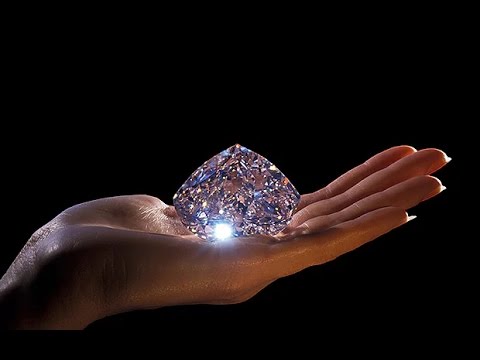
Man-made diamonds go by many names — lab-grown, lab-created, synthetic, cultured, engineered, and even artificial diamonds. All of these terms generally refer to the same thing: real diamonds grown in a laboratory rather than mined from the earth. The terminology can be confusing because different industries, retailers, and scientists tend to use different words for identical products. This guide clears up the confusion for good, explains exactly what each term means, and helps you decide whether a lab-grown diamond is right for your engagement ring.
Quick Verdict: Lab-grown diamonds are real diamonds. They share the same chemical composition, hardness, and optical properties as mined diamonds. The only meaningful differences are origin, price, and resale value. Lab diamonds typically cost 70–85% less than equivalent mined stones.
What Are Man-Made Diamonds Called? (The Terminology Table)
Before anything else, here’s a clear breakdown of every term you’re likely to encounter — what each one means, who uses it, and whether the stone is a real diamond.
| Term | Real Diamond? | Who Uses It | Notes |
|---|---|---|---|
| Lab-grown diamond | ✅ Yes | Retailers, FTC guidelines | Most common modern term |
| Lab-created diamond | ✅ Yes | Retailers, GIA | Interchangeable with lab-grown |
| Synthetic diamond | ✅ Yes | Gemologists, scientists | Technically correct; sounds fake to consumers |
| Cultured diamond | ✅ Yes | Marketing language | Popular in early lab-diamond branding |
| Engineered diamond | ✅ Yes | Marketing language | Less common today |
| Artificial diamond | ✅ Usually | Older usage | Can also refer to simulants — context matters |
| Man-made diamond | ✅ Yes | General public | Informal but accurate |
| Simulated diamond | ❌ No | Retailers, FTC | A lookalike, NOT a real diamond (CZ, moissanite) |
| Fake diamond | ❌ No | General public | Simulants; no diamond crystal structure |
The distinction that matters most for buyers is in the last two rows. Everything above “simulated diamond” in this table is a real diamond. Below that line, you’re looking at an entirely different material.
Are Lab-Grown Diamonds Real or Fake?
This is the question most people actually need answered before anything else. If you’re considering proposing with a lab-grown diamond, the last thing you want is for it to be perceived as a “fake” ring.
Lab-grown diamonds are real diamonds. That is not a marketing claim — it is a chemical and structural fact.
Both mined and lab-grown diamonds are made of pure carbon atoms arranged in a crystal lattice structure. They share the same Mohs hardness of 10. They refract light identically. A gemologist using standard equipment cannot tell them apart without specialized testing. The Federal Trade Commission (FTC) updated its guidance in 2018 to reflect this, removing the word “natural” from its definition of a diamond — the definition now applies equally to lab-grown stones.
Here’s what a lab-grown diamond shares with a mined diamond:
- Chemical composition: 100% carbon
- Crystal structure: Cubic diamond lattice — identical
- Mohs hardness: 10 (the hardest material on earth)
- Refractive index: 2.42 — the same sparkle and brilliance
- Thermal conductivity: Passes a diamond tester
- GIA and IGI certification: Both labs grade lab-grown diamonds using the same 4Cs system
The only way to distinguish a lab-grown diamond from a mined one is with advanced spectroscopic equipment that can detect trace elements. Even professional gemologists cannot do it by eye or with standard loupes.
So no — proposing with a lab-grown diamond is not proposing with a fake ring. It is proposing with a real diamond.
Synthetic Diamonds vs. Simulated Diamonds: The Critical Difference
This is where a lot of buyers get genuinely confused, and understandably so. Both “synthetic diamonds” and “simulated diamonds” sound like they might mean the same thing. They do not.
Synthetic diamond = real diamond grown in a lab. Different origin, identical material.
Simulated diamond = a different material entirely that is designed to look like a diamond but is not one.
| Feature | Synthetic (Lab-Grown) Diamond | Simulated Diamond |
|---|---|---|
| Real diamond? | ✅ Yes | ❌ No |
| Carbon crystal structure | ✅ Yes | ❌ No |
| Passes diamond tester | ✅ Yes (usually) | ❌ No (usually) |
| Same hardness as diamond | ✅ Yes (Mohs 10) | ❌ No |
| Same brilliance | ✅ Yes | Varies |
| GIA/IGI certified | ✅ Yes | No |
| Examples | Lab-grown diamond | Cubic zirconia, moissanite, white sapphire |
Common diamond simulants include:
- Cubic zirconia (CZ): The most widely sold simulant. Much softer than a diamond (Mohs 8–8.5), scratches and clouds over time, and produces a noticeably different kind of sparkle. Very inexpensive.
- Moissanite: Actually harder than CZ (Mohs 9.25) and visually closer to a diamond. Has slightly more fire (colored light dispersion) than diamond, which some buyers love and others find too flashy. Significantly cheaper than lab-grown diamonds. Made of silicon carbide, not carbon.
- White sapphire: Corundum. Durable at Mohs 9 but lacks diamond’s brilliance — tends to look glassy.
None of these are diamonds. A diamond tester can easily distinguish most simulants from real diamonds. More importantly, simulants behave differently over years of wear — moissanite holds up well, but CZ scratches and loses its clarity relatively quickly.
If someone is debating between moissanite and a lab-grown diamond, that is a completely legitimate comparison worth exploring. You can read the full breakdown in our Moissanite vs Lab Diamonds guide.
What Are Synthetic Diamonds? (And Why Gemologists Use That Word)
You may see the word “synthetic” and assume it means cheap, plastic, or inferior. In everyday language, that instinct makes sense. In gemology, it means something very specific and value-neutral.
The Gemological Institute of America (GIA) defines a synthetic gemstone as one that has essentially the same chemical composition, crystal structure, and optical properties as its natural counterpart — but is created in a laboratory rather than formed in the earth. By that definition, a synthetic diamond is simply a lab-grown diamond.
The word “synthetic” in gemology has nothing to do with quality or authenticity. It describes origin, not composition.
Retailers generally avoid the word because consumer research shows it sounds off-putting. “Lab-grown” and “lab-created” test much better with buyers. But in peer-reviewed gemological literature, a synthetic diamond and a lab-grown diamond are the same stone.
How Are Lab-Grown Diamonds Made?
There are two production methods. Both start with a diamond seed — a tiny slice of existing diamond — and grow additional carbon around it under controlled conditions.
HPHT (High Pressure, High Temperature)
HPHT replicates the natural conditions under which diamonds form in the earth’s mantle. A diamond seed is placed in a growth chamber and subjected to pressures of around 1.5 million PSI and temperatures exceeding 2,700°F. Carbon dissolves into a molten metal flux and crystallizes onto the seed over days to weeks.
HPHT diamonds tend to have a slightly more cubic growth pattern, which can affect the inclusion types they develop.
CVD (Chemical Vapor Deposition)
CVD uses a different approach. A diamond seed is placed in a sealed chamber filled with carbon-rich gas (typically methane). Microwaves or radio frequencies ionize the gas, causing carbon atoms to precipitate onto the seed and build up layer by layer. This method allows for more controlled growth and is now the dominant production method for gem-quality lab diamonds.
For most buyers, the production method is not a major decision factor. Both produce gem-quality diamonds graded on the same 4Cs scale. Some buyers prefer GIA or IGI reports to confirm details — you can learn more about which diamond certification is best and how lab-grown diamond certification compares to natural diamond grading in our lab-grown diamond certification guide.
Are Lab-Grown Diamonds Cheaper? (Cost Comparison)
Yes — significantly cheaper. This is the main reason the lab-grown diamond market has grown so rapidly over the past decade.
Lab-grown diamonds have fallen dramatically in price since roughly 2015, as production technology scaled up and more manufacturers entered the market. Today, you can typically buy a lab-grown diamond for 70–85% less than a comparable mined stone.
Price Comparison: Lab-Grown vs Natural Diamonds (2026)
| Carat Weight | Natural Diamond (G/VS2) | Lab-Grown Diamond (G/VS2) | Average Savings |
|---|---|---|---|
| 1.0 ct | $4,000 – $8,000+ | $700 – $2,000 | ~75% less |
| 2.0 ct | $12,000 – $25,000+ | $1,500 – $4,500 | ~80% less |
| 3.0 ct | $30,000 – $60,000+ | $3,000 – $8,000 | ~85% less |
Prices vary by exact cut, color, and clarity grades. All figures are market estimates as of early 2026.
What this means in practice: the budget for a 1-carat natural diamond can buy a 2–2.5 carat lab-grown diamond at the same quality grade. For many buyers, that is a compelling trade-off.
Browse current lab-grown diamond prices at Blue Nile — one of the largest online diamond retailers with an extensive lab-grown inventory.
A smarter use of your budget is often sizing up in carat weight while staying in lab-grown territory. A 2-carat lab-grown diamond at G/VS2 will look spectacular for a fraction of what a 2-carat natural diamond costs.
One common mistake buyers make is assuming that cheaper automatically means lower quality. Lab-grown diamonds at identical 4Cs grades look exactly the same as mined diamonds. The lower cost reflects economics and origin, not quality.
What Are Lab-Grown Diamonds Worth? (Resale Value)
This is the honest part of the conversation that some retailers prefer to skip.
Lab-grown diamonds have very low resale value. Natural diamonds also depreciate significantly once purchased — typically to 20–50% of retail — but lab-grown diamonds have fallen further and faster. In some cases, a lab-grown diamond purchased for $1,500 in 2023 may be worth $200–$400 on the resale market today, simply because production costs have continued to fall and supply has grown dramatically.
Why does this matter?
If you are buying a diamond primarily as an investment or with long-term resale in mind, lab-grown is the wrong choice. Natural diamonds — particularly rare cuts, large stones, or fancy colors — retain their value more reliably, though they are still not the liquid investment some sellers imply.
If you are buying a diamond to wear and to celebrate a relationship, resale value is probably irrelevant. Most engagement rings are kept for life. The couple who buys a 2-carat lab-grown diamond for $2,000 instead of spending $14,000 on a mined equivalent has kept $12,000 in their savings account. That is real, tangible value.
The recommendation for most readers: unless resale value or rarity is genuinely important to you, lab-grown makes strong financial sense for buyers focused on visual quality and size.
Lab-Grown Diamond Names: A Complete List
If you’ve been researching and encountered terms you couldn’t place, here’s the full list of names used to describe lab-grown diamonds across different contexts.
Common retail names:
- Lab-grown diamond
- Lab-created diamond
- Cultured diamond
- Created diamond
Scientific and technical names:
- Synthetic diamond
- CVD diamond (referring to the production method)
- HPHT diamond (referring to the production method)
Older or less common marketing terms:
- Engineered diamond
- Manufactured diamond
- Man-made diamond
- Artificial diamond (when used for a real diamond, not a simulant)
FTC-recognized terminology: The FTC permits the term “lab-grown,” “lab-created,” “man-made,” and “synthetic” when used with “diamond” to describe lab-grown diamonds, provided sellers don’t misrepresent them as mined.
All of these describe the same product: a real diamond grown in a controlled environment rather than extracted from a mine.
What Are Fake Man-Made Diamonds Called?
This is where terminology matters most for buyers. “Fake” and “simulated” diamonds are an entirely different category from lab-grown diamonds — they are not diamonds at all.
The FTC draws a clear line here. Products marketed as diamond simulants, imitation diamonds, or simulated diamonds must be clearly disclosed as such and cannot be sold under the term “diamond” without qualification.
The most common diamond simulants:
Cubic Zirconia (CZ)
Made of zirconium oxide. Inexpensive, widely available, looks diamond-like to the untrained eye at first. Mohs hardness of 8–8.5 means it scratches relatively easily, and over years of wear it tends to cloud, scratch, and lose its clarity. Not a suitable long-term choice for a ring worn daily.
Moissanite
Made of silicon carbide. Far more durable than CZ at Mohs 9.25 — the second hardest gemstone used in jewelry. Has more fire (colored light dispersion) than a diamond, which can be visually stunning or slightly over-the-top depending on your taste. Significantly cheaper than lab-grown diamonds but still more expensive than CZ. Worth considering seriously as an alternative for budget-conscious buyers. See our Moissanite vs Lab Diamonds comparison for a full breakdown, and our guide to moissanite problems for an honest look at the downsides.
White Sapphire
Corundum. Naturally colorless sapphire or lab-created white sapphire. Mohs 9, so it is durable. However, it lacks the brilliance and fire of a diamond — tends to look flat and glassy compared to a faceted diamond. Lab-created white sapphire vs. diamond covers this in full detail.
White Topaz
Softer at Mohs 8, not ideal for daily wear. Scratches easily and loses its polish. Not recommended for engagement rings worn long-term.
Cubic Zirconia vs. Lab Diamonds
The full comparison between CZ and lab-grown diamonds — including durability, optical properties, and price — is covered in our Cubic Zirconia vs Lab Diamonds guide.
The core takeaway: simulants look like diamonds but are not diamonds. They vary considerably in durability. If someone is offering you a “diamond alternative” rather than a “diamond,” they are offering you one of these materials.
What Are Synthetic Diamonds Used For?
Briefly, because this matters more than most buyers realize when thinking about the credibility of the technology:
Jewelry is the most visible use case — and what most readers of this article care about.
Industrial applications are actually where synthetic diamonds have been used longest and in the largest volumes. Industrial-grade synthetic diamonds are used in cutting tools, grinding equipment, drill bits, polishing compounds, and semiconductor production. More than half of all diamonds produced each year (including synthetic ones) go to industrial applications, not jewelry. This is not a new or experimental technology — GE produced the first synthetic diamonds in the early 1950s for industrial use.
Electronics is a growing frontier. Diamond’s exceptional thermal conductivity makes it an ideal heat sink material for high-performance electronics, and research into diamond-based semiconductors is advancing rapidly. These are not gem-quality stones, but the underlying production science is shared.
This background matters for one reason: the technology to make synthetic diamonds at scale is not new and not exotic. It has been refined over 70+ years of industrial production. The gem-quality lab diamonds sold for jewelry today benefit from that long production history and decades of process refinement. When someone implies that lab diamonds are some novel, unproven product, the history of synthetic diamond production tells a different story.
How to Evaluate a Lab-Grown Diamond Before Buying
Knowing what lab-grown diamonds are called is one thing. Knowing how to evaluate one before spending your money is another. Here’s what to look for.
The 4Cs Still Apply — and Still Matter
Lab-grown diamonds are graded using the same 4Cs framework as natural diamonds: cut, color, clarity, and carat weight. Understanding these grades is the most important buying skill you can develop.
Cut is the single most important factor for how a diamond looks. A well-cut diamond returns light brilliantly to your eye. A poorly cut diamond looks dim and lifeless regardless of its other grades. Cut is assessed as Excellent, Very Good, Good, Fair, or Poor by the GIA, or with similar tiers by IGI. Always prioritize cut over other grades. Our diamond cut meaning guide explains what each grade actually looks like in practice.
Color for white diamonds runs from D (colorless) to Z (visibly yellow). For lab-grown diamonds in white gold or platinum settings, G–H is the sweet spot for most buyers — visually colorless to the naked eye, but substantially cheaper than D–F. In yellow gold, you can drop to I–J without any noticeable warmth. Learn more in our diamond color guide.
Clarity refers to internal inclusions and surface blemishes. For lab-grown diamonds, VS1–VS2 is typically the sweet spot — eye-clean stones at a price point well below VVS or FL grades. The question to ask is always: “Is this stone eye-clean?” rather than “Is this stone highly graded?” A VS2 that is eye-clean is a better purchase than a VS1 that is marginally better on paper at a higher price. Read more in our diamond clarity guide.
Carat weight is the most intuitive factor but often the most misunderstood in terms of value. Round numbers attract premiums — a 1.00-carat stone costs more per carat than a 0.95-carat stone, even though the visual difference is essentially invisible. Buying just under the round carat thresholds (0.90–0.95ct instead of 1.00ct, 1.45ct instead of 1.50ct) can save 10–15% with no visible difference.
Which Certification Should You Look For?
For lab-grown diamonds, both GIA and IGI are credible grading labs. GIA is widely considered the industry gold standard for natural diamonds, and their lab-grown grading reports use the same rigorous methodology. IGI has grown significantly in the lab-grown space and is widely accepted by retailers.
Avoid stones graded by in-house lab reports or less-established labs. The grade consistency is simply not there. Our diamond certification guide covers the key labs in detail.
360° Imaging Matters More Than You’d Think
One of the biggest advantages of buying online from a reputable retailer is access to 360° high-definition video of individual stones. This lets you assess:
- Bow-tie effects in fancy shapes (oval, pear, marquise)
- Inclusion visibility and placement
- Overall face-up appearance
- Cut symmetry under magnification
Retailers like Blue Nile and Whiteflash provide strong imaging tools for exactly this reason. A stone with a VS2 clarity grade but a central dark inclusion visible in the 360° video is a worse purchase than a slightly lower-graded stone with inclusions tucked under the prongs. The video tells you what the grade alone cannot.
Are Synthetic Diamonds Cheaper Than Natural Diamonds?
Yes, substantially — and the gap has widened over time. As covered in the pricing table above, lab-grown diamonds typically cost 70–85% less than mined diamonds of equivalent quality.
A few factors that affect exactly how much cheaper a lab-grown diamond will be:
Carat weight: The price gap tends to be proportionally larger for bigger stones. A 3-carat natural diamond is extraordinarily rare and commands a massive premium. A 3-carat lab-grown diamond is still a significant stone but far more attainable.
Shape: Fancy shapes like oval, pear, and cushion can affect pricing differently in natural vs. lab markets. Round brilliants are the most common in both categories. Learn more about diamond cut meaning and how it affects price.
Quality grade: The 4Cs (cut, color, clarity, carat) determine price within each category. A D/IF lab-grown diamond will cost more than a G/VS2 lab-grown diamond. The same relative relationships hold as in the natural market.
Timing: Lab-grown diamond prices have continued to fall year over year as production capacity expands. Prices that were accurate in 2022 are often no longer accurate today.
Check current lab-grown and natural diamond prices at Blue Nile or Whiteflash — both allow side-by-side comparison of lab and natural stones at identical grades.
Lab-Grown Diamonds vs. Natural Diamonds: The Full Comparison
For buyers who are genuinely undecided, here’s the honest side-by-side.
| Factor | Lab-Grown Diamond | Natural Diamond |
|---|---|---|
| Chemical composition | Identical (pure carbon) | Pure carbon |
| Visual appearance | Identical | Identical |
| Hardness | Mohs 10 | Mohs 10 |
| Certified by GIA/IGI | Yes | Yes |
| Price (1ct G/VS2) | ~$700–$2,000 | ~$4,000–$8,000+ |
| Resale value | Low | Moderate (but still depreciates) |
| Rarity | Not rare | Increasingly rare |
| Environmental impact | Varies by producer | High impact mining |
| Ethical sourcing concerns | Minimal | Varies; conflict-free sourcing possible |
| Long-term durability | Identical | Identical |
For a deeper dive into how these two categories compare on every dimension, our lab-created vs natural diamonds guide is the most thorough resource on TwirlWeddings.
Should You Buy a Lab-Grown Diamond?
Here is a straight answer, because this question deserves one.
Buy a Lab-Grown Diamond If:
You want maximum size for your budget. This is the clearest use case. If the choice is between a 0.8-carat mined diamond and a 1.5-carat lab-grown diamond at the same price, and visual size matters to you, the lab-grown is the obvious choice.
You want a real diamond without the premium for geological origin. Lab-grown diamonds are certified by the same labs, cut by the same craftspeople, and graded on the same scale. For buyers who care about having a real diamond — not a simulant — but who find the price gap between lab and natural hard to justify, lab-grown is a genuinely compelling option.
You’re prioritizing the ring over the stone. Many buyers find that spending less on the stone allows them to invest more in a beautifully crafted setting. A 1.2-carat lab-grown diamond in an exceptional platinum setting can be more striking than a 1-carat mined diamond in a mid-range setting at the same total budget.
Ethical sourcing matters to you. Lab-grown diamonds eliminate concerns about conflict diamonds and mining labor conditions. While reputable retailers like Blue Nile sell conflict-free diamonds from mined sources, some buyers prefer to remove the question entirely.
Consider a Natural Diamond If:
Long-term rarity and value retention matter. Natural diamonds — especially larger stones and fancy colors — are a finite resource. Their value relative to lab-grown diamonds has actually increased as lab prices have fallen. If you want to buy a diamond as a family heirloom that holds its value over generations, natural is the more defensible choice.
You place value on geological origin. Some buyers want to know their diamond was formed under the earth over billions of years. That is a legitimate value judgment, not an irrational one. If the origin story matters to you, buy a natural diamond.
You’re buying a rare or fancy color stone. The lab-grown market for fancy color diamonds — natural pinks, blues, yellows — is growing, but natural fancy colored diamonds occupy a completely different tier of value and rarity. Learn more in our guides to lab-grown pink diamonds and lab-created blue diamonds.
You want to buy confidently from a physical store. Some buyers prefer to see and handle a diamond in person before committing. National retailers and independent jewelers typically stock natural diamonds more extensively than lab-grown stones, though this is changing fast. Our guide to buying diamonds online vs. in store covers the trade-offs in detail.
The Bottom Line on the Lab-Grown vs Natural Decision
The recommendation for most readers buying an engagement ring in 2026 is this: if visual appearance and diamond size matter most to you, lab-grown is a genuinely smart choice that stretches your budget significantly. If you want to own something rare and value a geological origin story, a natural diamond is worth the premium.
Neither choice is wrong. The wrong choice is buying a diamond without understanding what you’re buying and why it costs what it costs. Most couples who carefully consider both options and choose lab-grown report zero regret — they got a bigger, better-looking ring for the same money. That is a hard outcome to argue with.
Where to Buy Lab-Grown Diamonds
Two retailers stand out for lab-grown diamond selection, quality of imaging, and buying experience.
Blue Nile
One of the largest online diamond retailers, with an extensive and well-organized lab-grown inventory. Their search tools make it easy to filter by cut grade, lab, and price. Competitive pricing and a solid return policy make them a reliable first stop for lab diamond shoppers.
Whiteflash
Particularly strong for buyers who want super-ideal cut quality in lab-grown diamonds. Whiteflash is one of the few retailers that applies rigorous cut standards to lab stones, not just natural ones. Their A CUT ABOVE® lab diamonds are among the best-cut stones available online.
For a full comparison of where to buy lab-grown diamonds — including retailer-by-retailer breakdowns of inventory, imaging quality, and return policies — see our complete guide to where to buy lab-grown diamonds online.
Lab-Grown Diamond Name List: Quick Reference
For anyone who has been researching and encountered unfamiliar terminology, here is the complete consolidated list:
All mean “real diamond grown in a lab”:
- Lab-grown diamond
- Lab-created diamond
- Synthetic diamond
- Man-made diamond
- Cultured diamond
- Engineered diamond
- Created diamond
- CVD diamond
- HPHT diamond
Not diamonds — lookalikes made of different materials:
- Simulated diamond
- Cubic zirconia (CZ)
- Moissanite
- White sapphire
- White topaz
- Crystal (often used by fashion jewelry brands to mean glass or CZ)
If you encounter any of the top group in a retail context, you’re looking at a real diamond. If you encounter any of the bottom group, you’re looking at something else entirely — which may still be beautiful and valuable, but is not a diamond.
Frequently Asked Questions
What are man-made diamonds called?
Man-made diamonds are most commonly called lab-grown diamonds or lab-created diamonds. They are also referred to as synthetic diamonds (the scientific term), cultured diamonds, engineered diamonds, or created diamonds. All of these terms refer to real diamonds produced in a laboratory rather than mined from the earth.
Are synthetic diamonds the same as lab-grown diamonds?
Yes. “Synthetic diamond” is the technically precise gemological term for a lab-grown diamond. The two terms describe exactly the same product. Retailers typically use “lab-grown” because “synthetic” can sound negative to consumers, even though it carries no negative meaning in gemological usage.
Are lab-grown diamonds real or fake?
Lab-grown diamonds are real diamonds. They have the same chemical composition (pure carbon), the same crystal structure, the same Mohs hardness of 10, and the same optical properties as mined diamonds. The FTC recognizes lab-grown diamonds as real diamonds. They cannot be distinguished from mined diamonds without specialized spectroscopic testing.
What are synthetic diamonds made of?
Synthetic diamonds are made of pure carbon — exactly the same material as natural mined diamonds. The crystal structure is identical. This is what distinguishes synthetic diamonds from diamond simulants like cubic zirconia (zirconium oxide) or moissanite (silicon carbide), which are made of entirely different materials.
Are lab-grown diamonds cheaper than natural diamonds?
Yes, significantly. Lab-grown diamonds currently cost approximately 70–85% less than natural diamonds of equivalent grade. A 1-carat G/VS2 natural diamond typically retails for $4,000–$8,000+, while an equivalent lab-grown diamond typically retails for $700–$2,000.
Do lab-grown diamonds hold their value?
Not well. Lab-grown diamond prices have fallen substantially over the past decade as production has scaled. The resale value of lab-grown diamonds is generally very low — sometimes 10–20 cents on the dollar at resale. Natural diamonds also depreciate from retail price, but they hold value more reliably over time.
What is the difference between a lab-grown diamond and moissanite?
A lab-grown diamond is a real diamond — chemically and structurally identical to a mined diamond. Moissanite is a different material entirely (silicon carbide) that resembles a diamond visually but has different properties, including more color dispersion (fire). Moissanite is less expensive than lab-grown diamonds. See our full Moissanite vs Lab Diamonds comparison for a complete breakdown.
What are fake man-made diamonds called?
Fake diamonds — stones that look like diamonds but are not — are called diamond simulants, simulated diamonds, or imitation diamonds. The most common examples are cubic zirconia (CZ), moissanite, and white sapphire. These are not diamonds and should not be marketed as such. See our guide to diamond alternatives for a full breakdown of simulants and how they compare.
Related Guides on TwirlWeddings
- Lab-Created vs Natural Diamonds: The Differences
- What Are Lab-Grown Diamonds? (All You Need to Know)
- Moissanite vs Lab Diamonds
- Cubic Zirconia vs Lab Diamonds
- Where to Buy Lab-Grown Diamonds Online
- Lab-Grown Diamond Price Guide
- Lab-Grown Diamond Resale Value
- How Are Lab-Grown Diamonds Made?
- Diamond Alternatives for Engagement Rings
- Best Fake Diamonds on the Market
- Moissanite vs Cubic Zirconia
Last updated: June 2026. Prices reflect current market conditions and should be verified on retailer websites before purchase.